




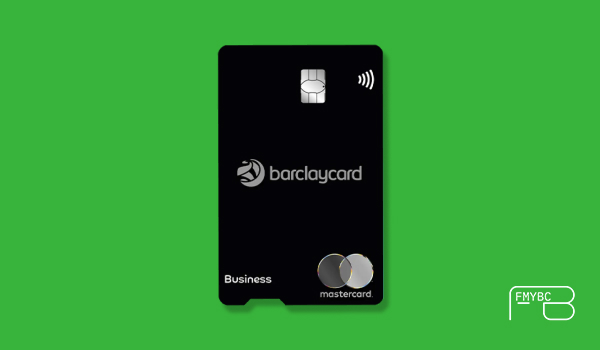
The Barclaycard Business Premium Plus is marketed as a top-tier solution for UK-based small and medium enterprises (SMEs) looking to streamline expenses while earning rewards. With rising interest in premium business credit cards in the UK, this offer positions itself among the leaders — but does it actually deliver real value?
In this guide, we break down its core benefits, ideal user profiles, and how it compares with top alternatives like American Express Business Platinum and Capital on Tap Business Rewards.
How the Barclaycard Business Premium Plus Works
At its core, the Premium Plus functions like any standard business credit card UK product — but with a few added perks:
- Reward System: Earn points on eligible business spend, redeemable for travel, tech, or statement credits.
- Partner Discounts: Access to exclusive merchant offers in IT, travel, and logistics (e.g., FedEx, Dell UK).
- Travel Insurance: Includes business trip protection, lost luggage, and cancellation cover.
- Expense Management Tools: Integrated with major accounting software like Xero and QuickBooks.
The card is tied to Barclaycard’s business banking ecosystem, which simplifies cash flow tracking and credit control, especially for limited companies and VAT-registered sole traders.
Primary Use Cases
- Business Travel: Frequent flyers benefit most from the included travel insurance and lounge access (via third-party networks).
- High Monthly Spend: Companies with monthly expenses exceeding £5,000 can maximize the reward tiers.
- Multi-employee teams: Free supplementary cards with individual limits are ideal for controlling departmental budgets.
Comparison Table: Barclaycard vs Competitors
| Feature | Barclaycard Business Premium Plus | Amex Business Platinum (UK) | Capital on Tap Business Rewards |
| Annual Fee | £150 | £650 | £99 or free (basic) |
| Rewards | 1 point/£1 + bonus tiers | 1 Membership Reward/£1 | 1% cashback or Avios |
| FX Fees | 2.99% | 0% (limited) | 0% |
| Travel Insurance Included | Yes | Yes | No |
| Accounting Integration | Yes (Xero, QuickBooks) | Yes | Yes |
Value vs Cost: Is It Justifiable?
While the £150 annual fee might seem steep, companies spending £6,000+ per month on business-related categories could easily extract over £300–£500/year in travel rewards or tech redemptions, especially when stacking partner offers.
However, for businesses that don’t travel or prefer cashback cards, competitors like Capital on Tap or Amex Business Gold may offer more flexibility with lower fees.
Key Strengths
- Strong UK merchant acceptance
- Custom employee controls
- Rewards usable within the UK (not just travel)
- Expense tracking tools built-in
- Mid-range fee for premium feature set
Limitations to Consider
- No 0% interest intro offer
- FX fees not ideal for overseas businesses
- Redemption process can be complex without dedicated support
Should You Get It?
If your business is UK-based, has regular spend above £5,000/month, and values streamlined travel benefits, this card fits nicely between entry-level business cards and ultra-premium products. It’s particularly appealing for those wanting Barclaycard customer service without jumping to the highest fee tiers.
Continue to Page 2 for:
- A step-by-step usage guide
- 8 expert FAQs
- Hacks to double your points
- Alternatives if you’re declined
- Value-maximizing strategies

 Fluid Credit Card Guide: Maximize Your Balance Transfer Strategy Without Paying Hidden Interest <p style='font-size:14px;'>A step-by-step guide to using the Fluid credit card wisely — and avoiding the common mistakes many UK borrowers make.</p>
  How to Get the Most Out of the Santander Edge Credit Card <p style='font-size:14px;'>A hands-on guide to maximizing cashback, avoiding hidden costs and comparing smarter options in the UK market.</p>
  Advanced Guide to Getting the Most Out of the Funding Circle Business Cashback Card <p style='font-size:14px;'>How to turn a simple business credit card into a smarter cash-flow tool with rewards that support long-term growth</p>