


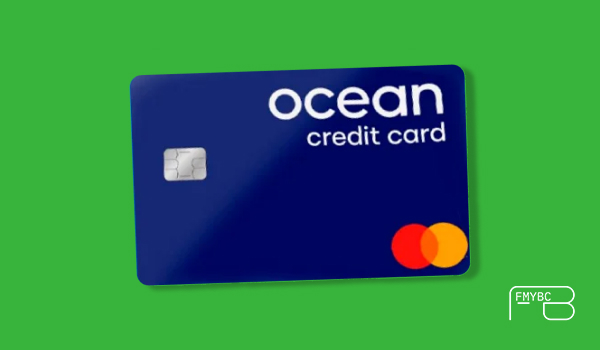
The Ocean Credit Card, issued by Capital One and promoted by Ocean Finance, has become one of the most recognized options in the UK for individuals looking to build or rebuild their credit score. With a representative APR of 39.9% (variable), no annual fee, and credit limits starting from £200 up to £8,000, it positions itself as an accessible entry point into responsible credit management.
Key Benefits
- No annual fee – makes it cost-effective for long-term use.
- Soft eligibility check – applicants can check approval odds without impacting their credit score.
- Fast approval – decisions often within 60 seconds and card delivery in under 10 days.
- Builds credit history – timely repayments are reported to major UK credit reference agencies.
- 56 days of interest-free purchases if the balance is cleared in full.
- Limit review every six months, offering potential increases as credit behaviour improves.
How It Works
The Ocean Credit Card operates as a classic credit builder card:
- Customers apply through Ocean’s QuickCheck tool, which uses a soft search.
- If accepted, the card arrives within a week.
- Users make purchases as normal and must repay at least the minimum each month.
- By consistently repaying on time and in full, users can improve their credit rating.
The high APR means it is not suitable for carrying balances. Instead, its purpose is discipline and habit-building rather than cheap borrowing.
Competitor Comparison
| Card | Representative APR | Credit Limit Range | Annual Fee |
| Ocean Credit Card | 39.9% (variable) | £200 – £8,000 | £0 |
| Barclaycard Forward | 33.9% (variable) | £50 – £1,200 | £0 |
| Aqua Classic Credit Card | 34.9% (variable) | £250 – £1,200 | £0 |
Ocean’s advantage lies in its higher potential credit limit and straightforward application process. However, its APR is slightly higher than Aqua and Barclaycard Forward, making it less appealing for carrying balances.
Primary Use Cases
- Students or young adults with thin credit files.
- Individuals recovering from past credit issues such as defaults or CCJs.
- Consumers looking to build trust with lenders ahead of applying for mortgages or personal loans.
- Day-to-day controlled spending, such as groceries or transport, with repayment in full every month.
Cost–Benefit Analysis
- Cost: APR at 39.9% is among the highest in the UK. Carrying balances even for short periods can result in significant interest charges. Balance transfers incur around 2.9% fees.
- Benefit: Free credit building, no annual fee, and flexibility to grow limits over time. The potential long-term savings from securing better credit deals (e.g., lower mortgage rates) far outweigh the cost if the card is used responsibly.
Final Thoughts
The Ocean Credit Card is not for everyone, but for those seeking a stepping stone to stronger financial standing, it delivers real value. Used wisely—by clearing the balance in full each month—it acts as a training tool for credit discipline.In Page 2, we’ll dive deeper into step-by-step usage strategies, lesser-known optimization hacks, FAQs, and alternative cards worth considering, helping you extract the maximum value from this product.